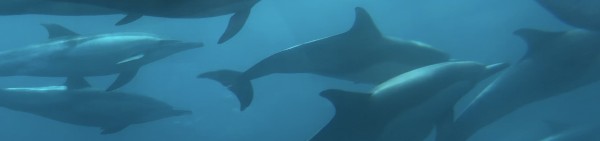
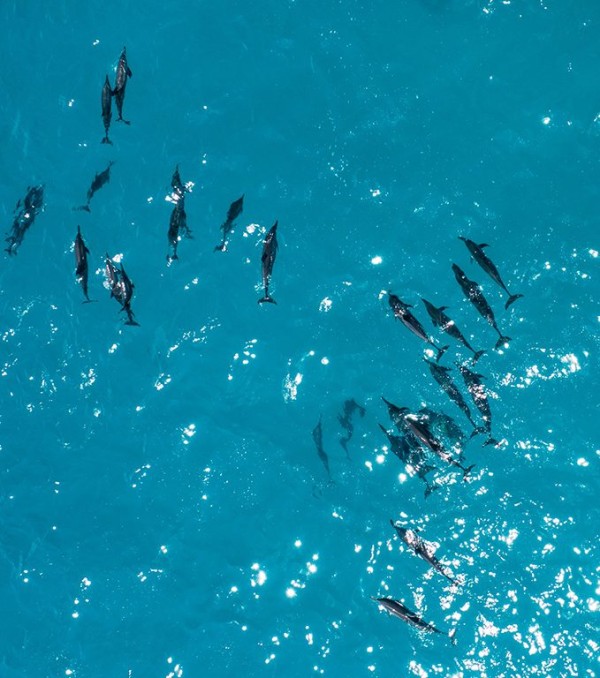
Dolphins are incredibly intelligent, social, wide-ranging and deep-diving marine mammals. They live in complex social groups called pods, often made up of family members. In the wild, dolphins are very interconnected to the health and survival of the entire marine ecosystem. There are many different species of dolphin that inhabit various parts of the world, in rivers and in oceans from tropical waters, to polar seas and nearly everything in between!
Dive Deeper into the World of Dolphins
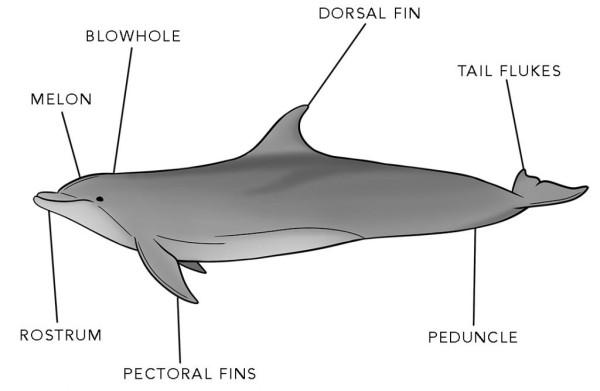
All dolphins have the same basic body shape. Unlike fish who swim by moving their tails side to side, cetaceans’ tails are horizontally oriented, and move up and down.
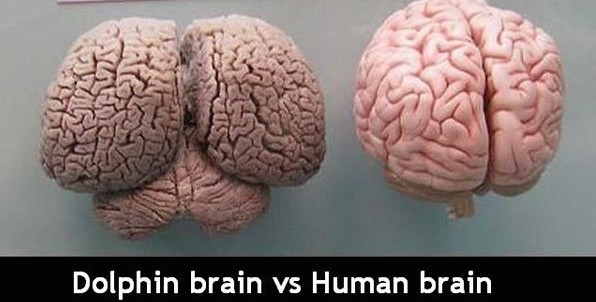
There are many indicators that show that cetaceans, or dolphins and whales, are highly intelligent. Dolphins have very large brains- their brain to body size ratio is second only to our own! They also exhibit sophisticated forms of communication, tool use, cooperative feeding methods, culture and social learning, and play.
Dolphins communicate via the use of several sounds, including clicks, whistles and squeaks. Studies have also shown that individual dolphins have a unique “signature whistle” which they often use when communicating with others. It is also believed that dolphins will respond to the sound of it’s own signature whistle, much in the way we would respond when hearing our own name. Communication “dialects” are though to vary between not only dolphin species, but between different populations of dolphins as well.
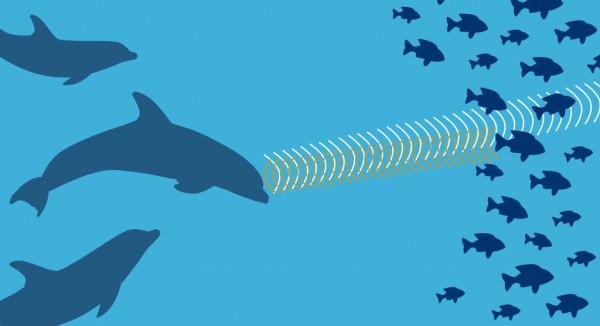
Dolphins have the ability to use echolocation, which is a sophisticated biological sonar system. To echolocate, dolphins produce high-frequency clicks which are projected out of their melon (forehead area). Since sound travels faster underwater than is does in air, these clicks travel very fast to a targeted area, bounce off objects and animals in that targeted area and return back to the dolphin. The dolphin is then able to interpret the returning echoes into an image, allowing them to “see” their surroundings in detail.
Dolphins are physically adapted to leading complex, wide-ranging, deep-diving lives in the open ocean. Many species typically dive several hundred feet deep; the average dive depth for Risso’s dolphins is 100-900 feet (50-300 m), and for offshore bottlenose dolphins over 200 feet (70 m). The maximum recorded depth for orcas is more than 3,200 feet (1,000 m)! Wild dolphins are also capable of swimming vast distances. Well-documented individual dolphins have ranges that span hundreds of miles (i.e. Patches, the leucistic bottlenose dolphin sighted in various locations along the California coast).
There are at least 44 species of dolphin known to date. Most species live in the ocean, but a handful live exclusively in rivers! See all of them on our dolphin species list page and learn about some of the most recognizable ones on our species guide!
Unlike humans, dolphins are conscious breathers, choosing when and how to take each breath. To prevent drowning while sleeping, only half of the dolphin’s brain shuts down while the other half remains awake!
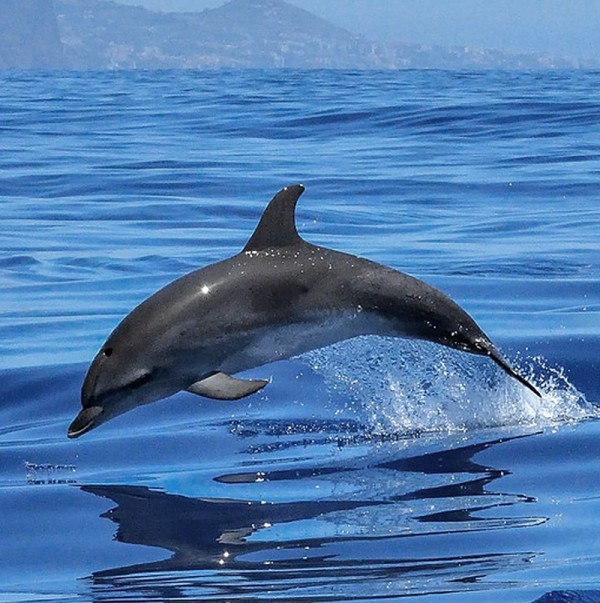
Several cetacean species have been found to have spindle neurons and elaborate limbic systems, and are linked to social bonds and processing emotions. Spindle neurons, which are specialized brain cells were previously thought to be what set humans and great apes apart from other mammals.
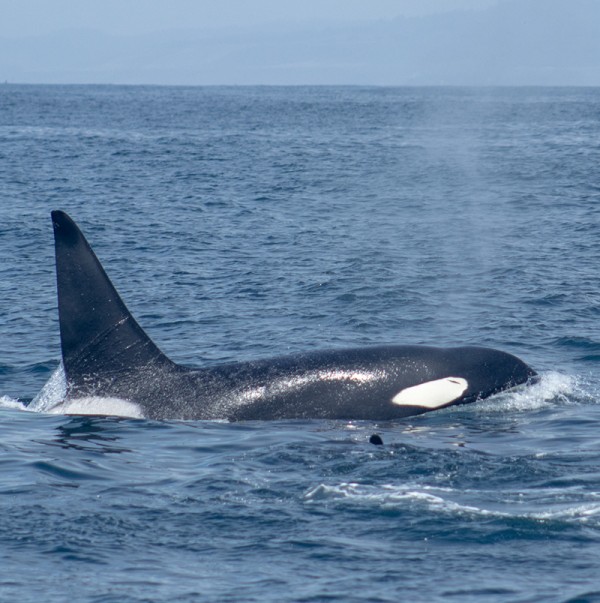
Orcas, or killer whales, are the largest of all oceanic dolphin species. Orcas exhibit startling intelligence, culture and family-based social structures. Studies indicate that there are at least 10 different orca eco-types with different diets, dialects, geographical range and social structure. Learn more about orcas here.
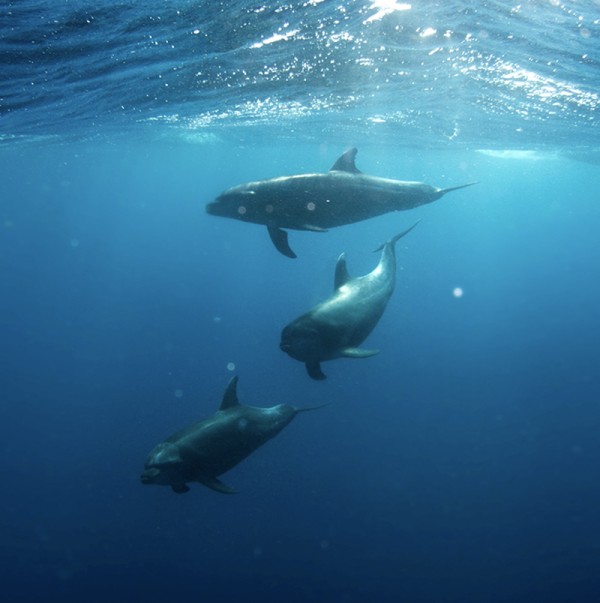
Dolphins are long-lived and slow to reproduce. Many species live to be over 40 years old. Some well-documented individuals have been known to live significantly longer; an orca named Granny (J2) from the Southern Resident killer whale population lived to be over 80- some believe that may have even been over 100 years old!
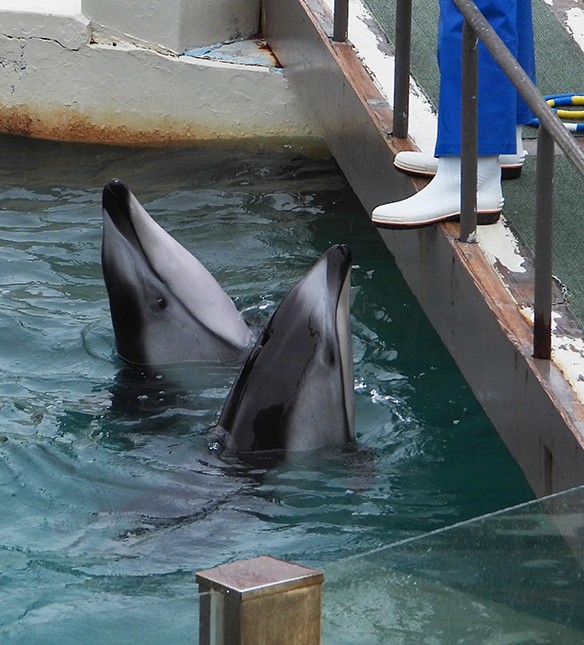
Wild dolphins don’t jump through hoops, dance on their tails, applaud themselves with their pectoral fins, or tow people through the water. Wild dolphins don’t live in tanks, where their movement, diet, social structure, behavior and entire way of life is manipulated, controlled and restricted.
One of the most concerning aspects of dolphin captivity, is that it teaches the public that it’s okay to mock and disrespect one of nature’s most fascinating ambassadors. The entertainment industry profits from twisting a beautiful and sentient species into a parody of itself. After performances, or swim-with-dolphins programs, most captive dolphins languish in their cages or tanks and wait until the next show, or next feeding.
Thanks to continued activism, several countries have banned the capture and captive display of cetaceans. It’s up to all of us to continue taking action to help dolphins to become protected everywhere!
A number of dolphins and whales are held captive in marine parks and aquariums all over the world. See our species guide for some of the most commonly exploited dolphins!
HOW YOU CAN HELP PROTECT DOLPHINS
CAPTIVITY FACTS
Learn more about dolphin captivity and threats to wild dolphins associated with the captivity trade and help spread the word!

JOIN THE POD
Join the pod and take the pledge to NOT buy a ticket to dolphins captive facilities!

TAKE ACTION
Sign petitions, contact authorities and take action to help protect dolphins all over the world.

SUPPORT
Explore giving options to help support our mission to protect dolphins from exploitation and slaughter.